July 3, 2026
1 min read
Sony's Stance on Physical Games Thirteen Years Ago Looks Very Different Today
As modern consoles steadily nudge players toward all-digital storefronts, a glance backward reveals how much the industry's priorities have rewritten themselves over the last decade.

By Chuy, Senior Staff Writer
Updated Sep 17, 2026 · Reviewed by the Nexzy newsroom
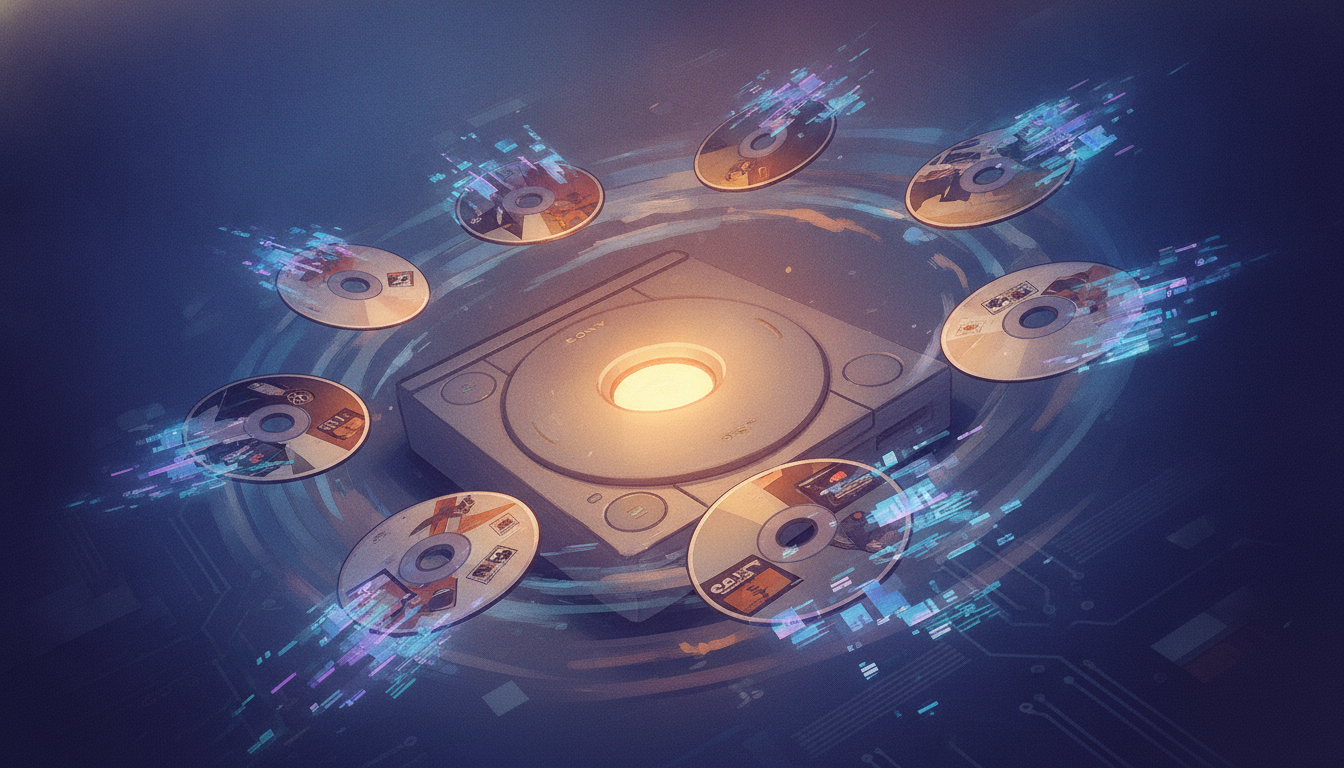
AI illustration
Sony expressed a "very different tune" about physical game copies thirteen years ago compared to its current, digital-focused approach, highlighting a dramatic shift in industry priorities. For players currently watching disc drives transform from standard console components into separate, premium purchases, the contrast is a quiet reminder of how quickly the landscape can rewrite its own rules.
During that earlier era, the company’s public advocacy for physical media served as a key pillar of its console strategy. Over the last decade, however, industry priorities have steadily migrated toward closed digital storefronts, leaving the plastic game case looking less like a standard product and more like a nostalgic novelty.
The details
- Past stance: Active advocacy for physical media thirteen years ago
- Present focus: Digital distribution and digital-first console configurations
- Core shift: A transition of physical drives from standard hardware to optional add-ons
Why it matters
The shift away from physical media changes the mechanics of game ownership, affecting everything from secondhand retail to long-term game preservation. As platforms continue to nudge players toward cloud-tied libraries, this decade-long pivot highlights how quickly consumer norms can change when digital convenience and platform control align.
Sources (1)
▾ tap to expand
Sources (1)
▾ tap to expandThe weekly gaming digest
One email a week with the biggest gaming news — PC, every console, hardware, and deals. No spam, unsubscribe anytime.
Make it yours
Make Nexzy yours.
The app turns this newsroom into your own — track the games you play, get news and guides tuned to you, and an AI that actually knows your games. Free on iOS & Android.
Chuy
Join the conversation
0 comments
Loading comments…
Keep reading

Diablo IV: Blizzard Hands Out Rare Sparks After Season 15 Launch Woes
Apologizing with digital gifts is a time-honored live-service tradition, but sending the envelope without the check inside is a new twist on the gesture.
Sep 28, 2026
Xbox Mythic Achievements: Leak Details Microsoft's Answer to PlayStation Platinums
Xbox completionists have spent years without a singular crown to show off their 100% runs. A massive new leak suggests Microsoft is finally building its own version of PlayStation's Platinum trophy.
Sep 23, 2026
PUBG Update 43.1: Kicks, Water Speed Buffs, and Jujutsu Kaisen Arrive
A battle royale veteran gets a bit more physical and a lot more anime, proving that sometimes the best tactical option is just kicking a door off its hinges.
Sep 13, 2026