July 5, 2026
2 min read
Valve's Discontinued Steam Machines Face a Fatal 'Red Line of Death'
Years after Valve walked away from its living-room PC experiment, the surviving hardware is quietly giving up the ghost, leaving dedicated collectors holding some very expensive paperweights.

By Chuy, Senior Staff Writer
Jul 5, 2026 · Reviewed by the Nexzy newsroom
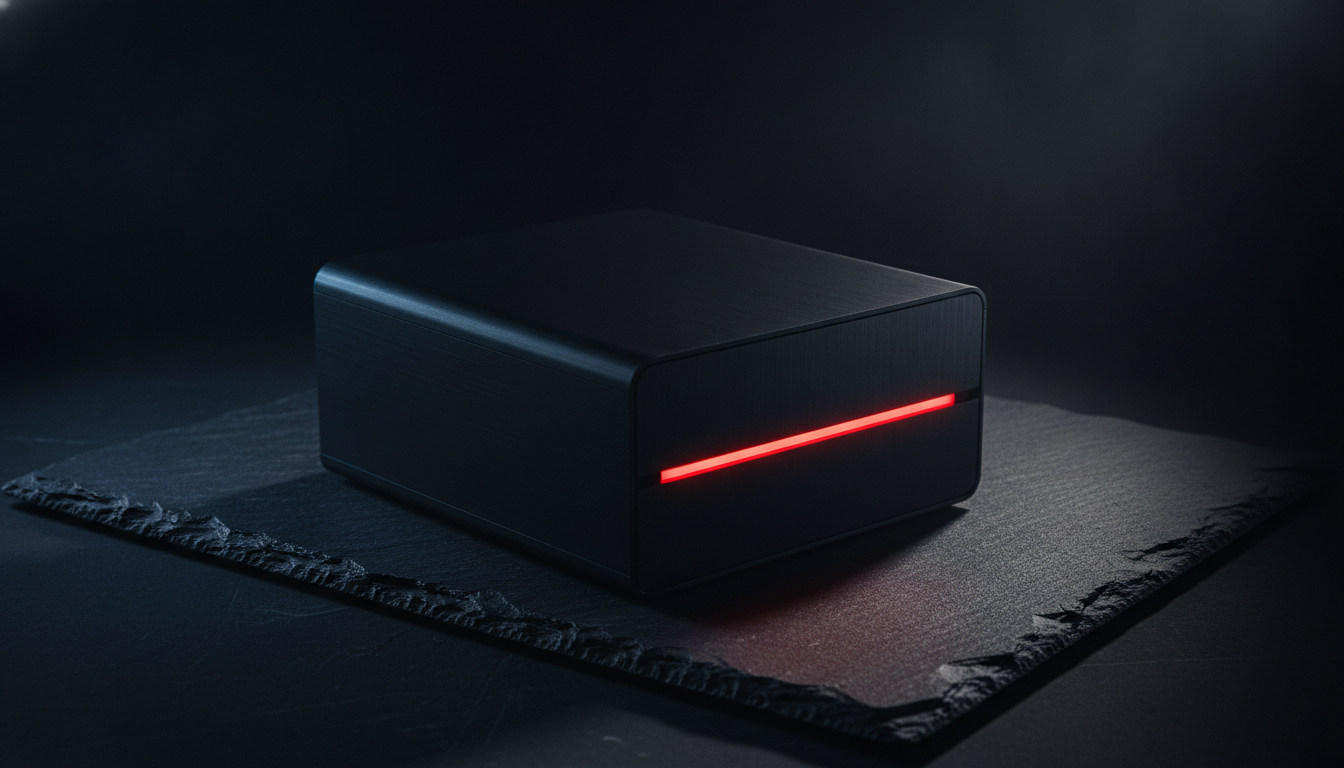
AI illustration
Multiple owners of Valve’s discontinued Steam Machines are reporting widespread hardware failures, with GPU breakdowns rendering the compact gaming PCs entirely useless. It is a quiet, late-stage exit for a hardware line that was already living on borrowed time, now marked by a fatal error users are calling the "Red Line of Death."
Make it yours
Make Nexzy yours.
The app turns this newsroom into your own — track the games you play, get news and guides tuned to you, and an AI that actually knows your games. Free on iOS & Android.
According to user reports across community forums, these untimely graphics processing unit failures are bricking the remaining functional units of the systems. The hardware failure, sometimes referred to as the "Red Ring of Death" in a nod to console catastrophes of Xbox 360 history, strikes the machines' tightly packed interior components. This isn't the first time the hardware line has faced headwinds, as the original Steam Machine rollout was marred by hardware failures and early criticism, making this latest wave of physical failures feel like a final, mechanical curtain call.
The details
- The issue: Permanent GPU failure within the compact chassis
- The symptoms: Total hardware failure, dubbed the "Red Line of Death" or "Red Ring of Death"
- Affected hardware: Discontinued Valve Steam Machine models
- The proposed band-aid: Hope for SteamOS software updates to bypass compatibility blocks, despite physical hardware degradation
What is failing inside the box?
The core of the issue lies in the compact nature of the Steam Machines themselves. To fit a fully capable gaming PC into a console-sized shell, manufacturers had to pack high-end parts into extremely tight spaces. Over years of thermal stress, those tightly packed GPUs are finally reaching their physical limits. When the silicon fails, the system goes dark, leaving owners with a sleek black box that does little more than collect dust.
Can software save dying hardware?
In a bid to keep their systems on life support, some remaining users are holding out hope that future SteamOS software updates might offer a workaround. The idea is that a patch could potentially bypass certain compatibility checks or throttle remaining components to keep the machines limping along. However, as community members point out, software cannot rebuild degraded solder joints or bring fried silicon back from the dead. It is a bit like hoping a GPS update will fix a blown head gasket.
Why it matters
The demise of the remaining Steam Machines represents the final chapter of Valve's ambitious first attempt to challenge dominant living-room consoles. While the Steam Deck eventually succeeded where these desktop hybrids faltered, the physical degradation of these early units highlights the long-term durability challenges of compact, high-performance gaming hardware. For the niche community of collectors keeping these machines alive, it is a reminder that even in digital-first ecosystems, physical silicon still dictates the expiration date.
Sources
The weekly gaming digest
One email a week with the biggest gaming news — PC, every console, hardware, and deals. No spam, unsubscribe anytime.
Make it yours
Make Nexzy yours.
The app turns this newsroom into your own — track the games you play, get news and guides tuned to you, and an AI that actually knows your games. Free on iOS & Android.
Chuy
Keep reading

Pokémon 30th Anniversary Card Orders Canceled After Logistics Partner Data Breach
A supply-chain hiccup in Europe shows how a single shipping partner's security slip can pull down both pocket monsters and Steam Decks in one go.
Aug 19, 2026

Control Resonant: Physical Edition Delayed, but Digital Launch Stays on Track
Disc collectors will need a little extra patience before they can hold Remedy’s latest supernatural mystery in their hands, but the digital launch remains entirely safe.
Aug 18, 2026

ARC Raiders 'Phantom Targets' Update Adjusts Peak Hours and Snitches
DEK: Embark Studios is matching its post-apocalyptic environment to the rhythm of real-world schedules, but a controversial monster redesign is keeping players awake for different reasons.
Aug 18, 2026
Join the conversation
0 comments
Loading comments…