July 6, 2026
2 min read
Steam's Two-Hour Refund Policy Sparks Pushback From Short Indie Game Creators
A digital loophole turns glowing reviews into free transactions, leaving creators of shorter experiences to wonder if finishing their story is a financial liability.

By Chuy, Senior Staff Writer
Jul 6, 2026 · Reviewed by the Nexzy newsroom
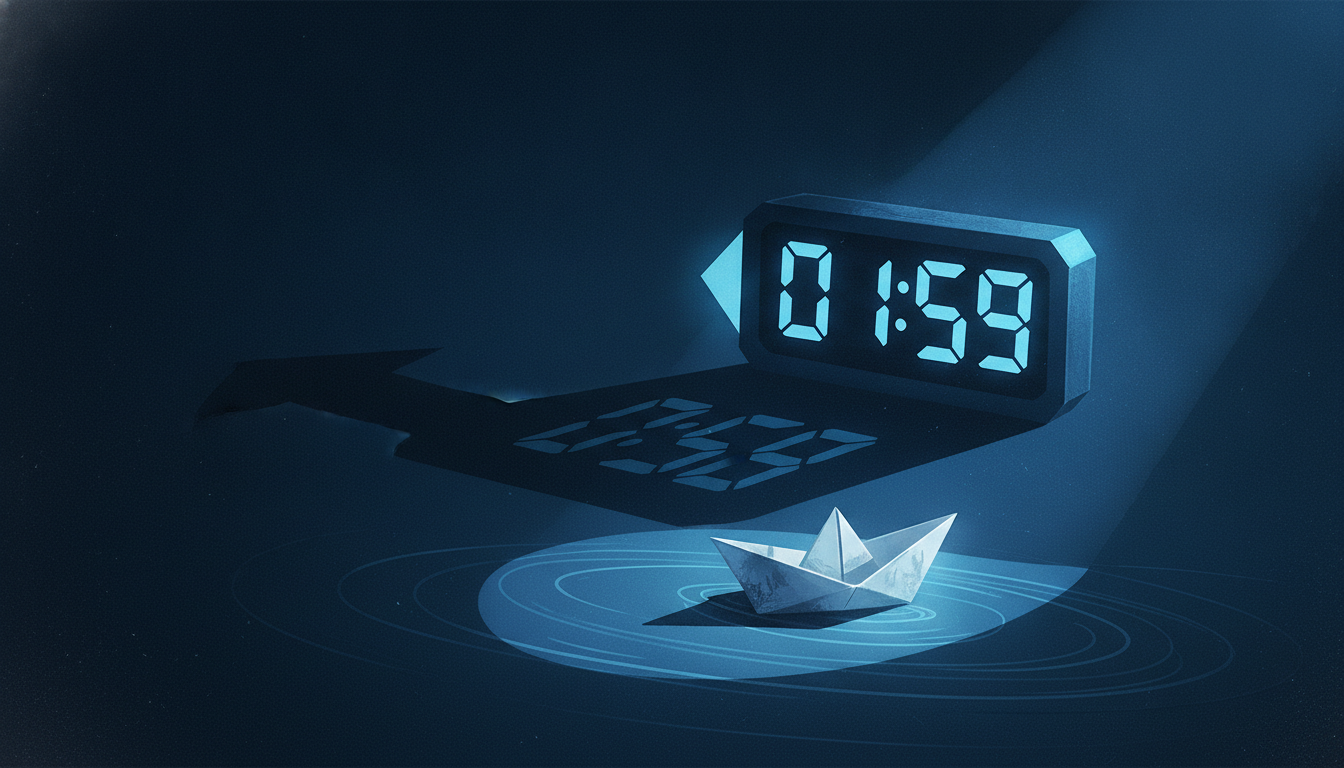
AI illustration
Indie developer Zoroarts has publicly urged Steam to revise its storefront refund rules, highlighting a long-standing vulnerability for creators of shorter experiences. Steam's policy currently permits automated refunds for any game with under two hours of total playtime. It is a system designed to protect buyers from broken software, which occasionally functions as a digital library card for people who just want a free story.
Make it yours
Make Nexzy yours.
The app turns this newsroom into your own — track the games you play, get news and guides tuned to you, and an AI that actually knows your games. Free on iOS & Android.
According to the developer behind the indie boat adventure Paddle Paddle Paddle, the storefront's policy has allowed players to finish the entire experience, leave glowing praise, and still walk away with a full refund. Zoroarts criticized the current framework after witnessing players complete the game, highly praise the title, and then successfully request their money back through the automated system.
The details
- The storefront: Valve's Steam platform
- The policy: Automatic refunds for titles with under two hours of playtime
- The target: Zoroarts' indie boat adventure Paddle Paddle Paddle
- The issue: Players completing short games, leaving positive reviews, and subsequently obtaining refunds
How the loop closes
Under Steam's current system, any player who purchases a game can request an automated refund for any reason, provided they have played for fewer than two hours. For a massive role-playing game where the character creator alone can occupy half an evening, the window barely covers the prologue. But for a short, focused project like Paddle Paddle Paddle, two hours is more than enough time to start, finish, and watch the credits roll.
Zoroarts noted that this structural loophole creates a scenario where a game can perform perfectly, satisfy its audience, and still generate zero revenue. The developer's public pushback highlights how a policy designed to protect consumers from technical issues or misleading marketing can be utilized to treat short-form narrative games as free entertainment.
The cost of completion
The criticism centers on the automated nature of the storefront's response. Because the system does not differentiate between a game that was returned due to technical failure and one that was fully completed, players who thoroughly enjoyed their time with Paddle Paddle Paddle were still able to trigger an automatic refund.
For independent creators, this means a successful release with positive player feedback can still result in a financial loss. The current setup leaves developers of shorter titles with a difficult choice: artificially pad their games to push playtimes past the two-hour mark, or accept that a portion of their satisfied audience will treat their work as a temporary rental.
Why it matters
Steam's refund policy is one of the most permissive consumer protections in PC gaming, but its rigid time limits do not scale with game length. When completion times fall below the refund threshold, the boundary between a standard return and a free playthrough disappears. How Valve chooses to address these concerns will directly impact the financial viability of short, narrative-driven indie games on the platform.
The weekly gaming digest
One email a week with the biggest gaming news — PC, every console, hardware, and deals. No spam, unsubscribe anytime.
Make it yours
Make Nexzy yours.
The app turns this newsroom into your own — track the games you play, get news and guides tuned to you, and an AI that actually knows your games. Free on iOS & Android.
Chuy
Keep reading
Control Resonant: Physical Edition Delayed, but Digital Launch Stays on Track
Disc collectors will need a little extra patience before they can hold Remedy’s latest supernatural mystery in their hands, but the digital launch remains entirely safe.
Aug 18, 2026
Jonathan Blow's Order of the Sinking Star Locks in October Release Date
After a decade in the development maze, the mind behind The Witness is finally ready to let players lose their minds over a thousand new head-scratchers.
Aug 18, 2026

ARC Raiders 'Phantom Targets' Update Adjusts Peak Hours and Snitches
DEK: Embark Studios is matching its post-apocalyptic environment to the rhythm of real-world schedules, but a controversial monster redesign is keeping players awake for different reasons.
Aug 18, 2026
Join the conversation
0 comments
Loading comments…