/
Game News/
Call of Duty: Black Ops Classics Shadow-Drop onto PlayStation Amid Pricing and Hacker Backlash
July 14, 2026
3 min read
Call of Duty: Black Ops Classics Shadow-Drop onto PlayStation Amid Pricing and Hacker Backlash
Nostalgia proves to be a powerful seller on the PlayStation Store, even when it comes wrapped in decade-old security holes and a premium price tag.

By Chuy, Senior Staff Writer
Updated Sep 1, 2026 · Reviewed by the Nexzy newsroom

Watch
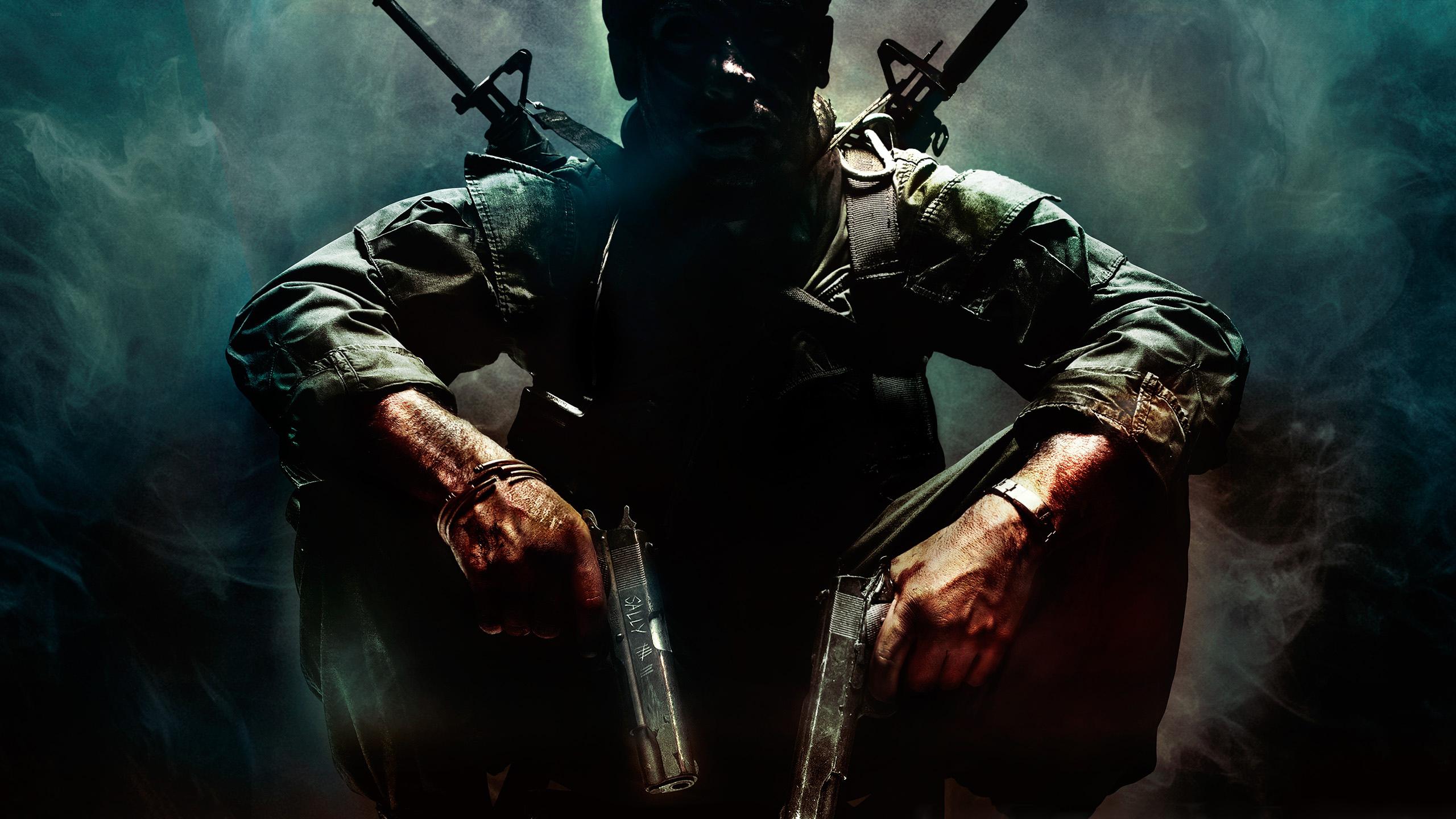
Activision has shadow-dropped PlayStation 4 and PlayStation 5 ports of Call of Duty: Black Ops and Call of Duty: Black Ops II, launching the classic shooters directly into a wave of player criticism over their $40 (£35) price tags and immediate hacking issues. It turns out the mid-2010s are back, complete with the era's original security exploits.
Make it yours
Make Nexzy yours.
The app turns this newsroom into your own — track the games you play, get news and guides tuned to you, and an AI that actually knows your games. Free on iOS & Android.
Players hoping for modern anti-cheat measures were quickly disappointed. According to player reports across social media and community forums, matchmaking lobbies were instantly compromised by cheaters utilizing long-familiar exploits. Additionally, a specific prestige exploit discovered in the PlayStation 4 port of the original Black Ops has prompted active investigation, with Sony currently working on a fix to patch the vulnerability.
This matters because classic titles carry immense nostalgic value, but bringing them to modern hardware without updating their backend security leaves players paying premium prices for legacy problems. It highlights the delicate balance publishers face when re-releasing legacy multiplayer games into a modern ecosystem.
The details
- Platforms: PlayStation 4, PlayStation 5
- Price: $40 (£35) each (DLC packs sold separately)
- Status: Available now via digital shadow-drop
- Active issues: Legacy exploits active; Sony currently working to resolve a prestige exploit in Black Ops on PS4
Legacy code meets modern pricing
The $40 (£35) price tag for each individual game has drawn sharp criticism from fans, particularly because downloadable content (DLC) maps and packs are not included and must be purchased separately. Paying modern entry fees for games that originally debuted over a decade ago is a tough pill to swallow, especially when the package behaves exactly as it did during its original run. The lack of modern remastering or quality-of-life adjustments has transformed what could have been a celebratory return into a lesson in software preservation, bugs and all.
The security issues are not just minor nuisances. Matchmaking lobbies in both titles are reportedly filled with players using aimbots, wallhacks, and lobby-altering mods. For many, the experience of trying to find a clean game of Team Deathmatch in 2024 has become a nostalgic trip in the worst way possible, recreating the exact security environment that originally drove players away years ago.
Surpassing the future on the charts
Yet, despite the vocal outcry over security exploits and pricing, nostalgia remains an incredibly effective sales pitch. The classic ports have climbed rapidly up the PlayStation Store charts, at one point even trending higher than GTA 6 preorders on digital sales lists.
This charting performance suggests that for a significant portion of the audience, the desire to run map routes on Nuketown or experience the futuristic multiplayer of Black Ops II outweighs the warning signs. It highlights a recurring trend in the industry: players will complain loudly about a product's state, but they will still put their money down to play it.
Why it matters
The launch of these Call of Duty ports demonstrates the enduring market power of legacy intellectual property, even when delivered with minimal modernization. It also underscores the technical challenges of bringing older multiplayer games to newer consoles without updating their underlying security infrastructure. When publishers choose to re-release classic titles, the expectations of modern security standards inevitably collide with the reality of decade-old code.
The weekly gaming digest
One email a week with the biggest gaming news — PC, every console, hardware, and deals. No spam, unsubscribe anytime.
Make it yours
Make Nexzy yours.
The app turns this newsroom into your own — track the games you play, get news and guides tuned to you, and an AI that actually knows your games. Free on iOS & Android.
Games in this story
2 games · swipe →


Chuy
Join the conversation
0 comments
Loading comments…
More on Call of Duty: Black Ops
All Call of Duty: Black Opsguides, walkthroughs & news →
Keep reading

Wing Commander 3 FMV Source Tapes Found, Teasing 30th Anniversary Remaster
Physical video footage buried in storage archives has resurfaced, opening a practical pathway toward updating the 1990s full-motion video simulator for modern displays.
Oct 12, 2026
He-Man: Dragon Pearl of Destruction Sets February 2027 Release
Eternia is heading back to two dimensions and local co-op, complete with a physical release that packs a mini Power Sword replica and retro lunchbox packaging.
Oct 12, 2026