/
Game News/
Square Enix Confirms Future Final Fantasy Remakes Won't All Get the Blockbuster Treatment
July 5, 2026
3 min read
Square Enix Confirms Future Final Fantasy Remakes Won't All Get the Blockbuster Treatment
Going big is no longer the default. A strategic pivot means future revivals of beloved RPG classics will look to fit the game, rather than forcing a blockbuster trilogy.

By Chuy, Senior Staff Writer
Jul 5, 2026 · Reviewed by the Nexzy newsroom
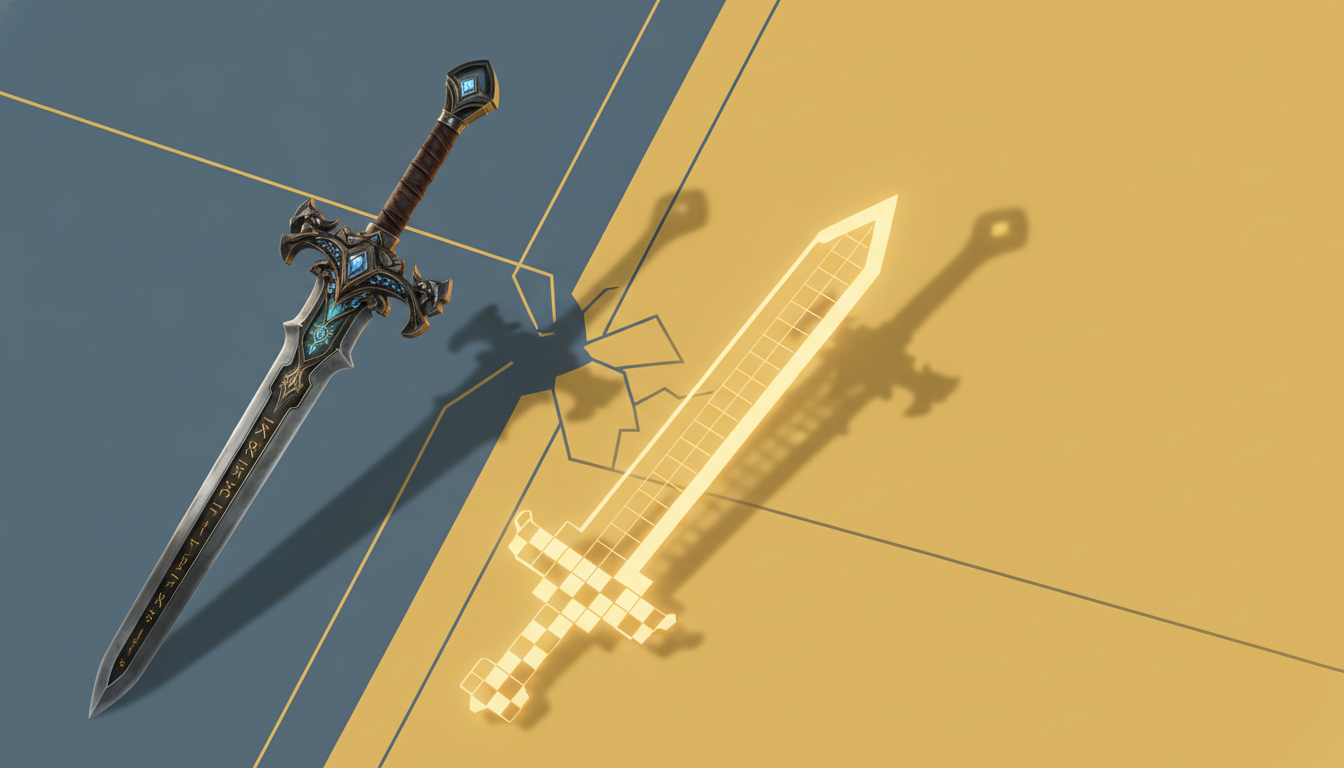
AI illustration
Square Enix has confirmed that future remakes of classic Final Fantasy games will not all receive the massive, multi-part blockbuster treatment seen in the Final Fantasy VII Remake trilogy, according to the publisher. For fans hoping every 16-bit sprite would eventually get its own hundred-hour, three-game space-opera odyssey, it is time to adjust those expectations.
Make it yours
Make Nexzy yours.
The app turns this newsroom into your own — track the games you play, get news and guides tuned to you, and an AI that actually knows your games. Free on iOS & Android.
The publisher announced the strategic shift while outlining how it plans to handle its back catalog moving forward. Instead of applying a single, high-budget template to every classic title, the company plans to pursue different design approaches depending on what "truly resonates" with fans, the studio said. That means future remakes might not necessarily feature the open-world action or real-time combat that defined its latest high-profile projects.
Treating every legacy title like a modern blockbuster is a massive commitment. Spreading a single story across multiple console generations is less of a release schedule and more of a life phase. By stepping away from a one-size-fits-all approach, the studio is giving itself room to breathe, even as it looks at other modern platforms, such as considering bringing Final Fantasy XV to Nintendo's next console.
The details
- Format: Future remakes will not be locked into multi-game trilogy structures
- Design: Approaches will vary based on what "truly resonates" with audiences
- Gameplay: Future titles are not guaranteed to feature open-world systems or real-time action
What is changing
Under the new strategy, the scale of a remake will match the game in question, rather than aiming for the same blockbuster heights. Some classic entries might receive smaller, stylized updates, while others could retain their original turn-based roots. It is a departure from the grand-scale ambition of rebuilding a game from the ground up across three massive releases—a process that requires years of development and hundreds of staff members.
In the games industry, a massive budget is often treated as the only way forward, like buying a commercial-grade kitchen just to make toast. By scaling its ambitions to match the project, the publisher can theoretically revive more of its catalog without spending a decade on each one.
Why now
The decision comes as the costs and timelines of triple-A game development continue to stretch. Developing a single massive trilogy takes an enormous amount of resources, leaving less room for a publisher to experiment with other ideas. Adjusting the scope allows the company to keep its classic library active without betting the entire farm on a single multi-part epic.
According to the studio, the goal is to make sure the style of each project matches what players loved about the original. For older, sprite-based RPGs, that might mean a tighter focus on art style over cinematic action, avoiding the need to turn every retro village into a fully explorable metropolis.
Why it matters
The choice to diversify remake styles suggests a growing industry awareness of the limits of blockbuster budgets. For players, this means future returns to classic worlds might arrive faster and in formats that closer resemble the games they remember. For the publisher, it is a pragmatic way to manage its most valuable history without getting trapped in another decade-long development cycle.
The weekly gaming digest
One email a week with the biggest gaming news — PC, every console, hardware, and deals. No spam, unsubscribe anytime.
Make it yours
Make Nexzy yours.
The app turns this newsroom into your own — track the games you play, get news and guides tuned to you, and an AI that actually knows your games. Free on iOS & Android.
Chuy
Keep reading
Kingdom Hearts 4 Locks In Late 2027 Release and Confirms Coco World
Sora's keyblade is getting a dusty detour into the afterlife. As the franchise finally sets a launch window, a fan-favorite Pixar world prepares for its debut.
Aug 15, 2026
Disney Announces Animated Kingdom Hearts Series for Disney+ and Disney Channel
A franchise famous for turning Disney's vault into a labyrinthine video game narrative is finally stepping onto the company’s actual television screens.
Aug 15, 2026
Palworld Developer Rejects Year-Long Update Overhauls to Stay 'Fun-First'
Managing a runaway survival hit means navigating an avalanche of player demands—and sometimes realizing that asking the internet for advice is a self-inflicted wound.
Aug 14, 2026
Join the conversation
0 comments
Loading comments…