July 2, 2026
1 min read
ASUS ROG STRIX 27-Inch QD-OLED Monitor Hits Record-Low $350 Price Point
Premium screen technology is finally sliding into a more reasonable territory, making a highly sought-after panel type accessible without forcing buyers to empty their savings accounts.

By Chuy, Senior Staff Writer
Updated Sep 17, 2026 · Reviewed by the Nexzy newsroom
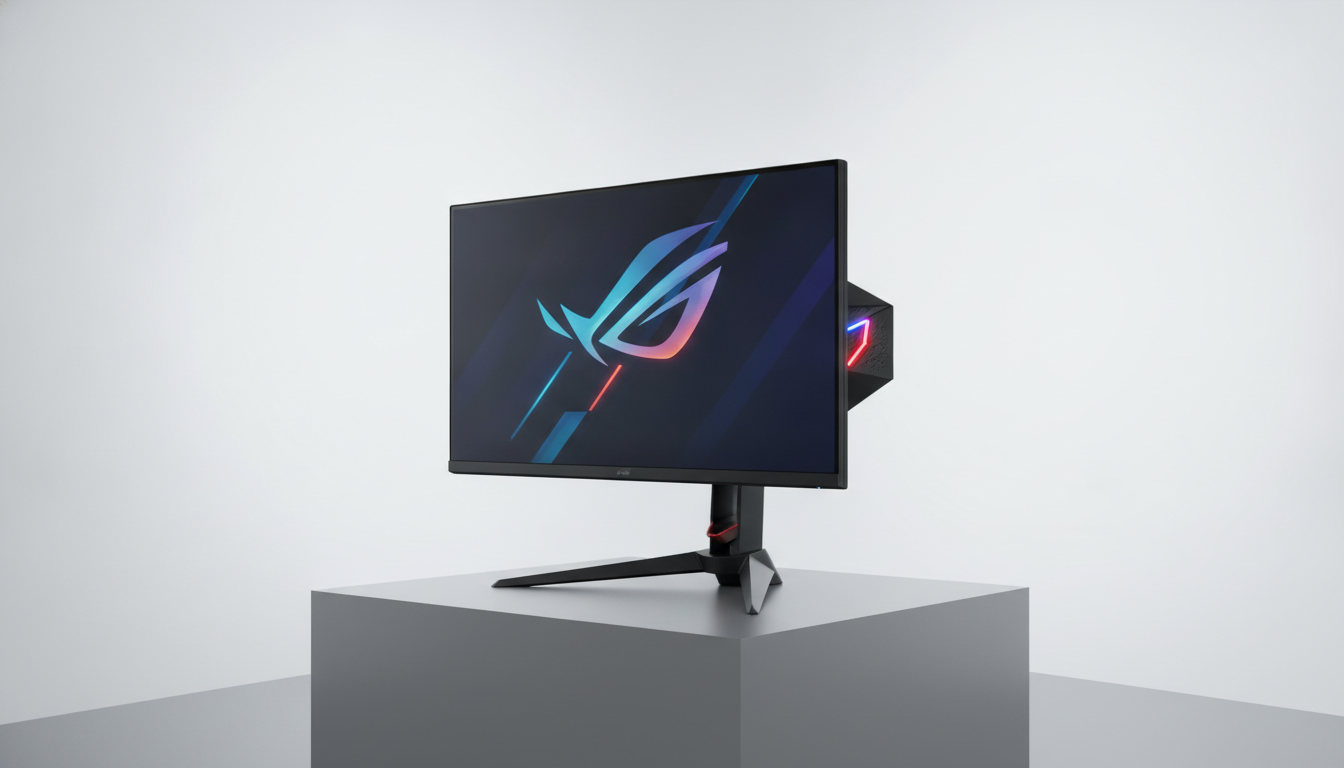
AI illustration
The ASUS ROG STRIX 27-inch QD-OLED gaming monitor has dropped to $350, marking the lowest price ever recorded for a 27-inch 240Hz OLED display. For a category of hardware normally priced like a decent used car, the sudden drop feels less like a standard discount and more like a retail pricing glitch.
The new price point represents a major shift for high-refresh-rate displays, which have historically demanded a steep premium. While other giants have attempted to capture this market—with Sony expanding its hardware to sell gaming monitors beyond the living room—this current drop sets a new baseline for what a high-end panel actually costs.
The details
- Product: ASUS ROG STRIX 27" QD-OLED Gaming Monitor
- Refresh rate: 240Hz
- New price: $350
- Milestone: Lowest observed price for a 27" 240Hz OLED monitor
Why it matters
OLED displays have long been considered the ceiling for gaming visuals, but their high cost of entry has kept them as aspirational hardware for most setups. A $350 price point lowers the barrier significantly, pushing high-end refresh rates and contrast ratios into a highly competitive mid-range space. It signals that premium panel technology is finally maturing past its early-adopter premium.
Sources (1)
▾ tap to expand
Sources (1)
▾ tap to expandThe weekly gaming digest
One email a week with the biggest gaming news — PC, every console, hardware, and deals. No spam, unsubscribe anytime.
Make it yours
Make Nexzy yours.
The app turns this newsroom into your own — track the games you play, get news and guides tuned to you, and an AI that actually knows your games. Free on iOS & Android.
Chuy
Join the conversation
0 comments
Loading comments…
Keep reading
Zelda 40th Anniversary Switch 2: Pre-Orders Sell Out Instantly as Scalper Prices Soar
A heavily anticipated console tribute triggers a predictable race between fans and resale bots, leaving latecomers facing massive aftermarket markups.
Sep 10, 2026
Stellar Blade: Switch 2 Port Confirmed With DLSS
As demanding action games make the leap to Nintendo's next-generation hybrid hardware, developers are calling in reinforcement from artificial intelligence.
Sep 2, 2026
Xbox Series X25: $899 Anniversary Console Sells Out in One Minute
A high-end milestone console meant to celebrate a quarter-century of gaming instead became a high-speed lesson in automated retail, leaving hopeful buyers staring at empty checkout screens.
Aug 27, 2026