July 24, 2026
2 min read
PlayStation Network Goes Dark Worldwide in Major AWS Outage
When a silent cloud giant stumbles, millions of console owners are suddenly reminded that their digital libraries and multiplayer matches exist entirely on someone else's server.

By Chuy, Senior Staff Writer
Updated Sep 17, 2026 · Reviewed by the Nexzy newsroom
AI illustration
The PlayStation Network suffered a massive global outage on July 24, locking millions of users out of their consoles' online features. It was a stark reminder that in the modern era of gaming, a single hiccup in the cloud can instantly transform a high-end console into a very sleek, quiet paperweight.
Make it yours
Make Nexzy yours.
Follow the games you love in the Nexzy app and their news, trailers and updates land in one feed. Free on iOS & Android.
According to reports on Down Detector, user connection issues spiked dramatically across both the US and the UK. The culprit behind the digital blackout was not a sudden localized issue, but rather a broader infrastructure disruption at Amazon Web Services (AWS), which hosts major portions of the modern internet. When AWS took a step back, the PlayStation ecosystem followed it down.
The details
- Date of outage: July 24
- Scope: Global, with major spikes in the US and UK
- Cause: Linked to a broader Amazon Web Services (AWS) disruption
- Resolution: Services slowly returned to full health globally later in the day
Why the timing hurt
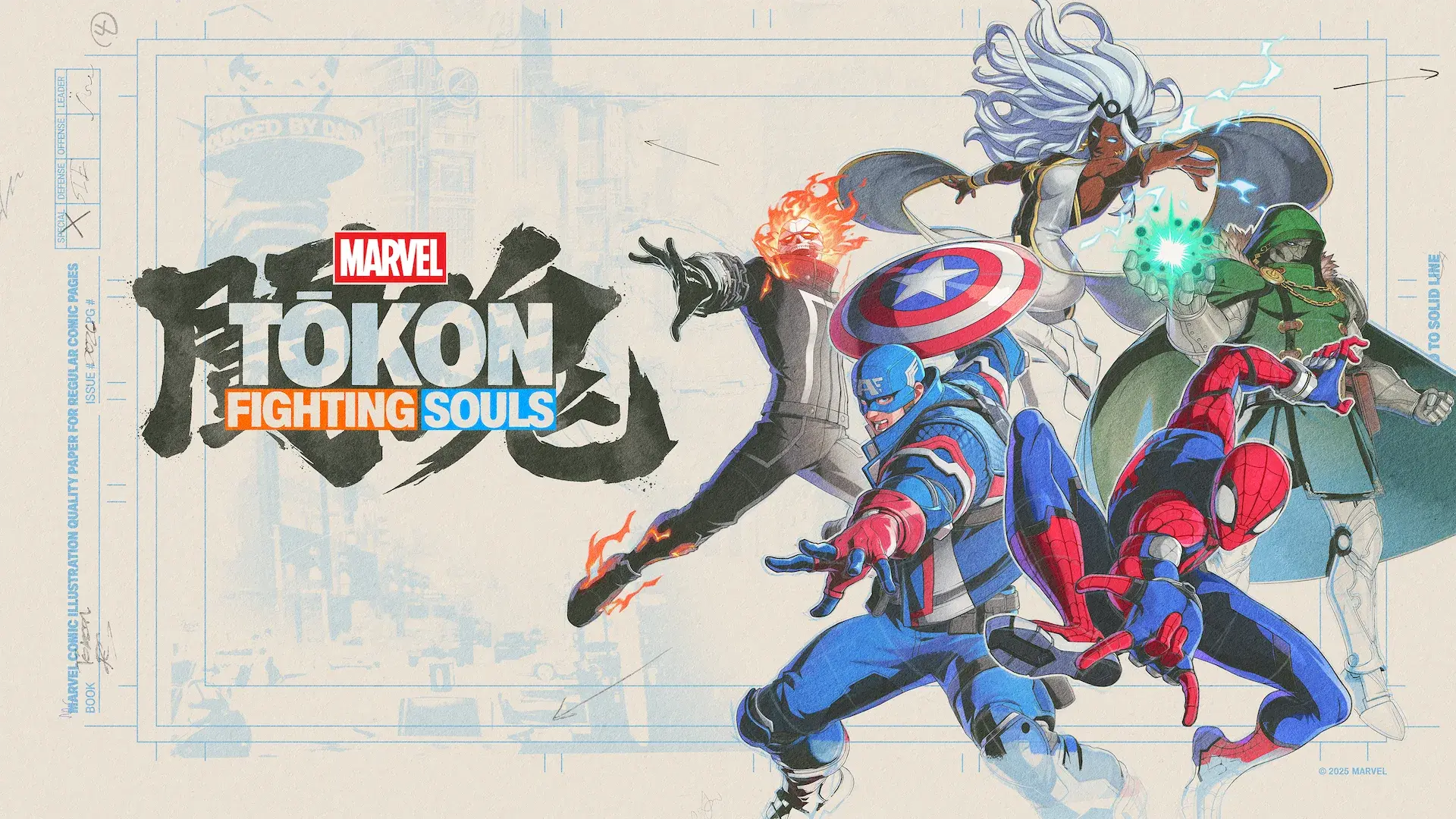
For players looking to jump into the latest releases, the timing of the collapse could not have been more precise. The disruption struck shortly after the highly anticipated Marvel Tōkon: Fighting Souls open beta went live. It is a classic rule of modern multiplayer launches: the exact moment everyone wants to play is often the exact moment the servers decide to take an unscheduled nap.
Instead of testing combos and exploring the new beta, players were left staring at connection timeout screens, wondering if the problem lay with their own routers or the vast web of corporate servers humming miles away. It turned what should have been a high-profile launch window into a quiet waiting game.
How it resolved
While the initial wave of connection errors left communities in the dark, the digital gears slowly began turning again. Services gradually returned to full health globally later in the day, allowing players back into their digital libraries and online matchmaking pools.
While the recovery was relatively swift in the grand scheme of corporate cloud management, the event highlighted how delicate the umbilical cord connecting modern consoles to the cloud really is. When everything runs on someone else's server, a bad day for a cloud provider means a quiet evening for millions of living rooms.
Why it matters
An outage of this scale illustrates the profound reliance of the modern games industry on centralized cloud giants like AWS. When localized platform services or global cloud hosts experience a hiccup, the effects ripple instantly across entire ecosystems, halting game launches, beta tests, and basic digital authentication. For a fully digital future to function, the infrastructure behind it must remain invisible—but when it fails, it becomes the only thing players can see.
Sources (6)
▾ tap to expand
Sources (6)
▾ tap to expandThe weekly gaming digest
One email a week with the biggest gaming news — PC, every console, hardware, and deals. No spam, unsubscribe anytime.
Make it yours
Make Nexzy yours.
Follow the games you love in the Nexzy app and their news, trailers and updates land in one feed. Free on iOS & Android.
Chuy
Join the conversation
0 comments
Loading comments…
More on Marvel Tokon: Fighting Souls
All Marvel Tokon: Fighting Soulsguides, walkthroughs & news →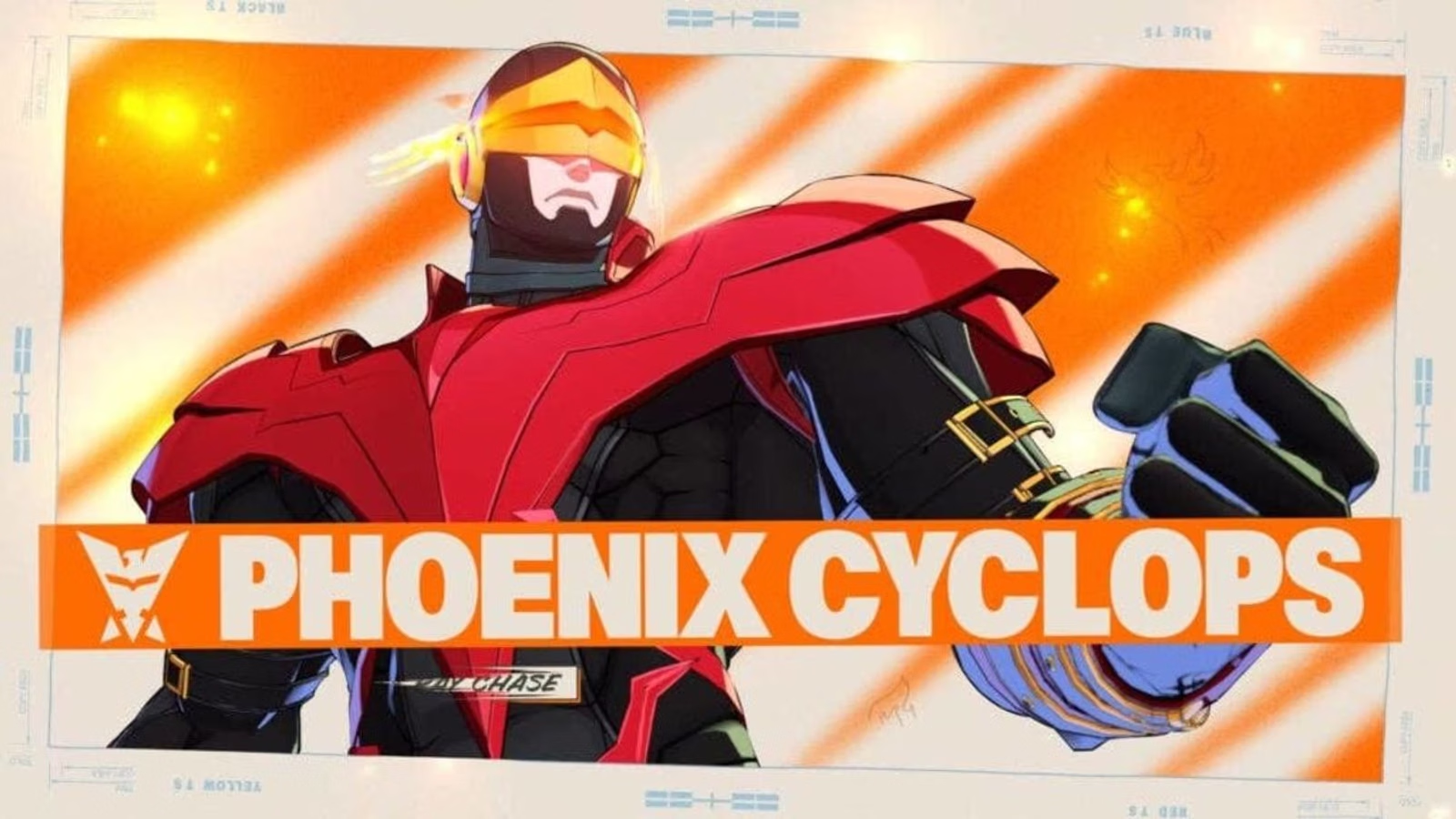
Marvel Tōkon: Fighting Souls Adds Phoenix Cyclops as First DLC Character
Scott Summers is skipping the standard optic blasts for a much hotter look, bringing cosmic flame and a high-risk transformation mechanic to the fighting game's roster this November.
Oct 8, 2026
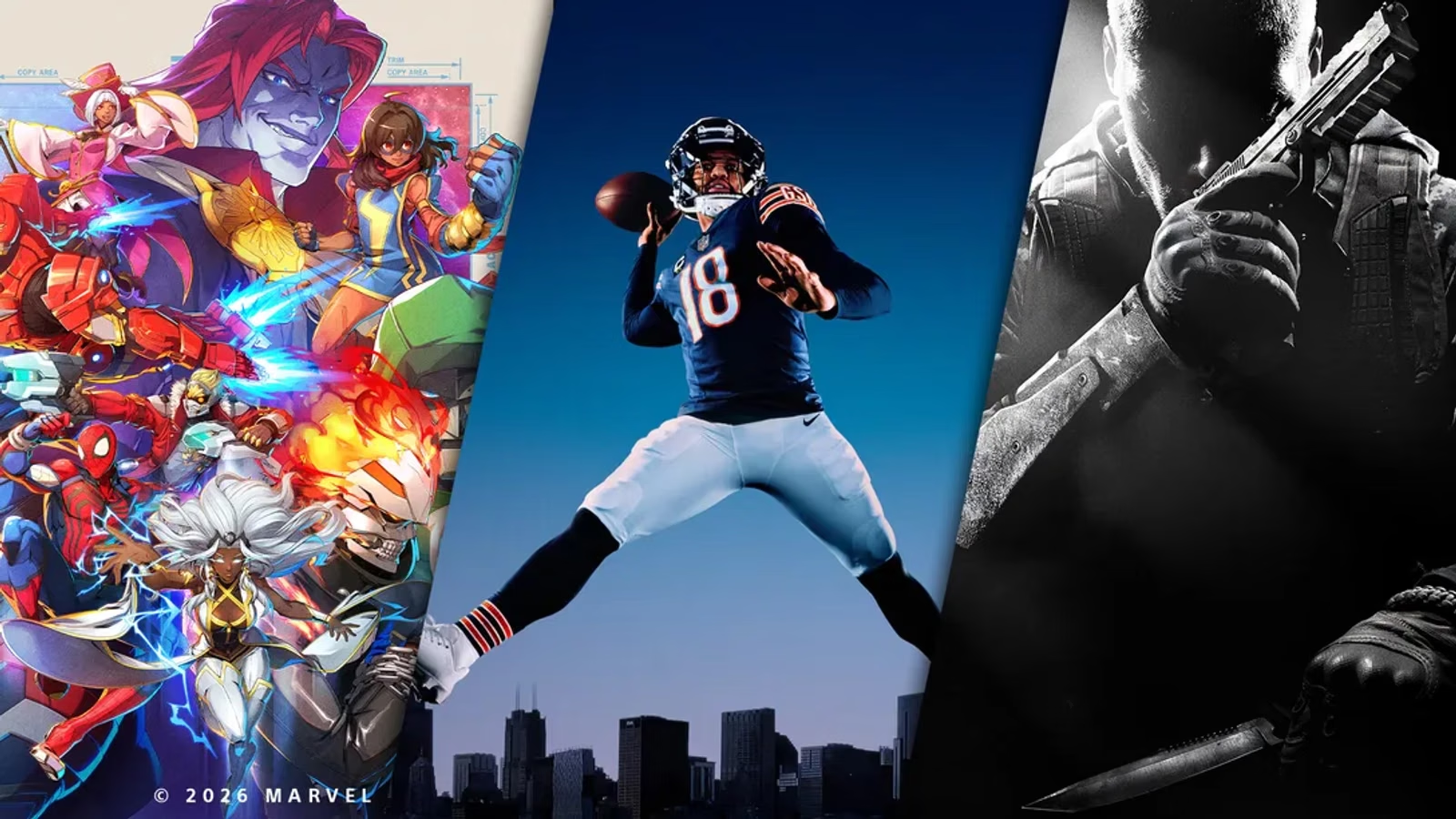
PlayStation Store: Madden NFL 27 and Black Ops II Lead August Downloads
Sony's digital charts reveal a late-summer battle for dominance, as gridiron giants and retro shooters split the top spots across regions.
Sep 4, 2026
Marvel Tokon: Fighting Souls Launches With Day-One Patch For Loading Issues
Getting a massive superhero brawler to run smoothly on launch day is apparently harder than lifting Mjolnir, even with a day-one patch already in place.
Aug 7, 2026